Our Partners
- Home
- Our Partners
Silnergy
Environmental Cleaning Solutions
Our cutting-edge technology efficiently treats wastewater, providing safe effluent for discharge or reuse, while our seamless grease trap services keep your drainage systems clean and compliant.
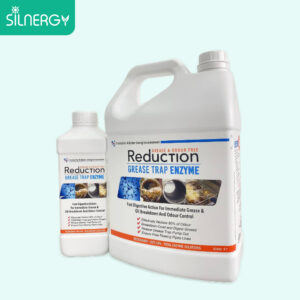
Reduction – Grease Trap Enzyme
Learn more
Combat grease buildup and odors with our effective Reduction Grease Trap Enzyme
Your definitive answer to maintaining a clean, odor-free environment. Created for a better living space, our formula boasts rapid digestive action for immediate breakdown of grease and oil, simultaneously curbing odors. Say goodbye to persistent grease trap issues and embrace a healthier, more pleasant environment.
Don’t let your grease trap fail you. We understand that cooking equipment and improper waste disposal can lead to stubborn build-ups of cooking oil and grease, resulting in clogged pipes, drains, and foul odors. The use of hot water offers only temporary relief, as grease congeals upon cooling, posing blockage risks and potential structural damage. Backflow compounds the problem, posing health risks and compromising hygiene standards, affecting daily operations and reputation.
Break the cycle of failed grease traps. Our Reduction Grease Trap Enzyme works wonders on solidified crusts and rancid odors. With just a 1-liter application, our formula initiates rapid breakdown, breaking the crust within minutes. Skim away the results, safely dispose, and witness the diminished odor. Our formula not only solves grease-related issues but also complies with Environmental, Social, and Governance (ESG) standards for a sustainable future.
Choose Reduction Enzyme for the ultimate F.O.G (Fat, Oil, Grease) solution, ensuring a clean, compliant, and odor-free environment.
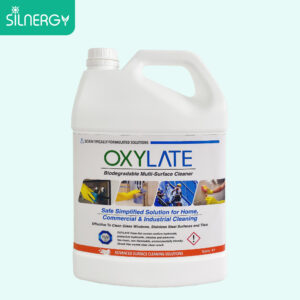
Oxylate – Biodegradable Multi-Surface Cleaner
Learn more
Biodegradable Multi-Surface Cleaner: Experience efficient and eco-friendly cleaning across surfaces with Oxylate.
Your Ultimate Biodegradable Multi-Surface Cleaner When it comes to tackling tough tasks, Oxylate rises to the challenge.
This biodegradable multi-surface cleaner is the key to efficient and long-lasting cleaning that transforms your living environment. Easily Clean and Protect: With ‘TRUE CLEAN’ power, Oxylate effectively removes surface contaminants, ensuring your living spaces are pristine. But that’s not all – it’s also non-corrosive and non-caustic, offering preservation and care that’s safe and gentle on your skin. ESC compliant, food safe, and biodegradable, Oxylate is your ally in both cleanliness and environmental responsibility.
Versatile Power, Big or Small: Oxylate proves that no cleaning job is too big or small. Whether it’s high-rise facades or everyday surfaces, its advanced bio-technology surface cleaning formulation makes light work of removing contaminants. Non-corrosive, non-caustic, and low VOC, Oxylate is the environmentally conscious choice, leaving your spaces clean and your conscience clear.
Locally Crafted Excellence: Oxylate proudly carries the ‘MADE IN MALAYSIA’ label, showcasing its local roots and commitment to quality. Elevate your cleaning experience with Oxylate, where tough tasks meet environmentally friendly solutions.

FLY-OFF – Biodegradable Food Safe Fly Repellent
Learn more
Maintain a fly-free environment with our safe and natural repellent.
Your Ultimate Biodegradable Fly Repellent
Maintaining the highest standards of comfort, food safety, and hygiene is a hallmark of reputable hospitality establishments. However, the presence of common houseflies can be more than an annoyance; they can carry and spread harmful diseases to humans.
Enter Fly-Off, your biodegradable food-safe fly repellent, providing an effective solution for both outdoor and indoor applications. Created to safeguard your establishment’s reputation and guests, Fly-Off combats persistent houseflies with ease. With a non-toxic and safe formula, Fly-Off creates a “fly-free” environment that lasts on surfaces where applied.
Protecting Your Reputation with Ease:
- Swift and simple mist spray-on application on surfaces, even on plants.
- Ensures a non-toxic “fly-free” environment for an extended duration.
- Safe for use around food, humans, animals, and plants.
- Offers a soothing, pleasant scent that enhances the dining experience.
- Bid farewell to swarms of houseflies and unsightly fly traps.
- Elevate your establishment’s hygiene standards with Fly-Off, the natural choice for effective, long-lasting fly repellency.
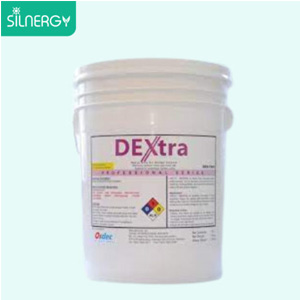
Dextra – Heavy Duty Oil Sludge Cleaner
Learn more
Heavy Duty Oil Sludge Cleaner: Tackle stubborn oil and grease with our heavy-duty, eco-friendly solution.
Introducing DEXTRA, the game-changer in heavy-duty cleaning. Engineered to safely and effortlessly eliminate stubborn grease, oil, grime, gum, and dirt from washable surfaces, DEXTRA is your solution for multiple applications:
- Engines
- Chassis
- Machinery
- Component Parts
- Degreasing
Ideal for industrial maintenance and services across various sectors:
- Oil & Gas (Onshore & Offshore)
- Automotive
- Heavy Machinery
- Maritime
- Aviation
Crafted from the power of natural plant extracts, DEXTRA stands out with its environmentally-conscious formula:
- Non-Toxic
- Non-Foaming
- Non-Flammable
- Biodegradable
- Safe for skin and surfaces
- Environmentally Sustainable
Application:
Specifically designed to tackle stubborn heavy oil, grease, and hydrocarbon sludge, DEXTRA excels in handling even the toughest challenges. Its effectiveness extends to metal, plastic, concrete, and glass surfaces, making it a versatile solution. Say goodbye to persistent oil and grease stains on hands, heavy vehicles, and machinery work areas like workshops and service centers.
Advantages:
With DEXTRA, there’s no need for strenuous brushing or high-pressure water jets. Simply apply, leave on for stubborn stains, and hose off. No additional detergents or harsh chemicals required. Experience cost savings, improved health and safety, and reduced environmental impact.
Elevate your cleaning standards with DEXTRA – the green, effective, and sustainable choice for heavy-duty oil sludge cleaning.
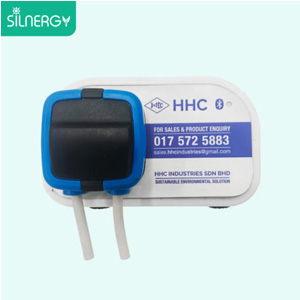
Auto Enzyme Dosing System
Learn more
Revolutionize grease management with our automated enzyme dosing system.
Experience hassle-free grease trap management with our Auto Enzyme Dosing System. No more guesswork – this system offers seamless automation. Pre-set for ‘Plug & Play,’ you can effortlessly control it via our user-friendly iOS / Android App, connecting with Bluetooth ease. Adjust the dosing volume to your needs for optimized performance.
Say goodbye to complications – our system’s quick setting ensures a trouble-free experience. It’s designed to be small, compact, and highly reliable, fitting effortlessly into your setup. Plus, with convenient delivery available throughout Malaysia, you can enjoy its benefits wherever you are.
Included in the package:
- 1 x Pump Unit
- 1 x Power Cord
- 1 x Transparent Tube
- 2 x Plastic Hose Connector
- 1 x Metal Bracket (with 2 screws)
Upgrade your grease trap maintenance with cutting-edge technology. Embrace the future of effortless upkeep.
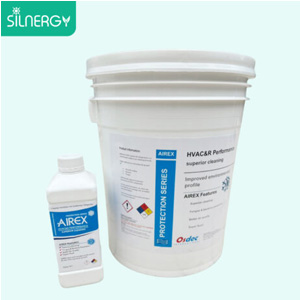
AIREX™ – HVAC&R
Learn more
Optimize HVAC systems with AIREX™, the enzymatic coil cleaning solution for peak performance.
Unlock the potential of your HVAC investment with AIREX™ – HVAC&R, an enzymatic coil cleaning chemical that’s poised to transform your property’s year-round performance. HVAC systems are a vital piece of infrastructure, consuming substantial energy and demanding peak operation. Unfortunately, environmental factors can degrade performance over time. Dirt, dust, organic particles, and even mold and bacteria accumulate on condenser coils, diminishing airflow efficiency and hindering heat exchange.
Property facilities managers are recognizing the energy-saving benefits of including condenser coil cleaning in their preventive maintenance plan. However, the choice of coil cleaning chemical is often underestimated. That’s where AIREX™ steps in, revolutionizing coil cleaning.
3 Step Process for Peak Performance:
- Cleans: Our patented antimicrobial multi-enzyme technology breaks down biofilm and contaminants, making them easy to remove with a gentle rinse.
- Protects: AIREX™ forms a biostatic protective coating, offering months of defense against mold, fungi, and odor-causing bacteria.
- Optimizes: By cleansing coils and surfaces, AIREX™ bolsters airflow and enhances heat and cooling exchange cycles, reducing energy consumption and operational costs.
Key Features:
- Inhibits mold, fungi, and odor-causing bacteria growth.
- Provides excellent corrosion protection.
- Enhances heat exchanger performance, lowering operating costs.
- Less than 1% thermal resistance and pressure drop for most fin patterns.
- Non-corrosive, environmentally friendly formula that won’t damage coils or casings.
- Deeply penetrates fins for comprehensive cleaning.
- Applications and Method Statement:
Ideal for various air-cooled HVAC&R equipment:
- Split ducted air conditioning
- Wall split systems
- Rooftop packaged air handling units (AHU)
- Cold storage chiller facilities
- Ductwork range hoods and exhaust fans
Recommended Dilution:
- 1 part AIREX to 1 part water for scheduled AHU maintenance cleaning.
- 1 part AIREX to 5 parts water for general home split unit cleaning.
Safe, non-corrosive, and high-performing, 1L of AIREX™ cleans up to 6 home split unit air conditioners. Elevate your HVAC experience with AIREX™ – HVAC&R, a cleaner, more efficient, and cost-effective solution.
Separators / Interceptors
Effectively capture and manage grease, oil, and contaminants with our range of efficient separators and interceptors.
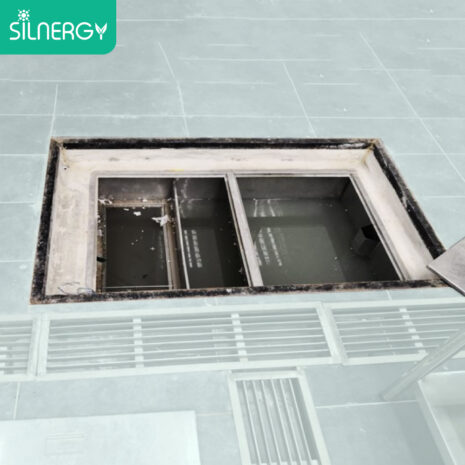
Underground Grease Trap
Learn more
Tackle grease accumulation at the source, keeping drainage systems clear and efficient.
Introducing our Underground Grease Trap, the powerhouse solution for commercial kitchens.
Designed to intercept FOG and food waste, this robust system ensures your wastewater stays clean and environmentally friendly.
Installed below ground, it efficiently separates grease from water using proven methods. With its ample capacity and efficient operation, our Underground Grease Trap keeps your kitchen running smoothly while preventing clogs and costly disruptions.
Upgrade your wastewater management to a reliable, subterranean solution.
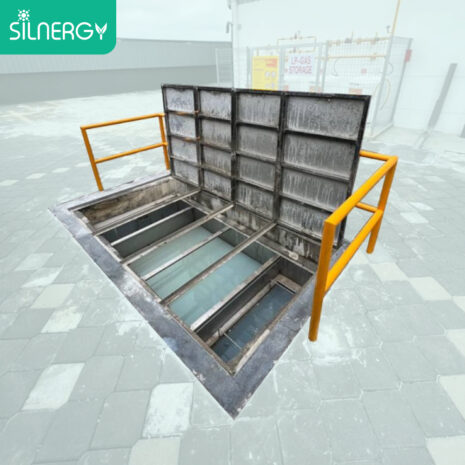
Underground Grease Interceptor
Learn more
A robust solution for intercepting grease in commercial setups, preventing blockages and maintaining hygiene.
Revolutionize your kitchen’s waste management with our Underground Grease Interceptor.
Crafted for efficient grease removal, this underground hero intercepts fats, oils, and grease before they can harm your drainage system. Its innovative design ensures reliable separation and easy maintenance.
By preventing clogs and costly repairs, our Underground Grease Interceptor keeps your kitchen operations seamless and eco-friendly.
Invest in a sustainable solution that protects your pipes, the environment, and your bottom line.
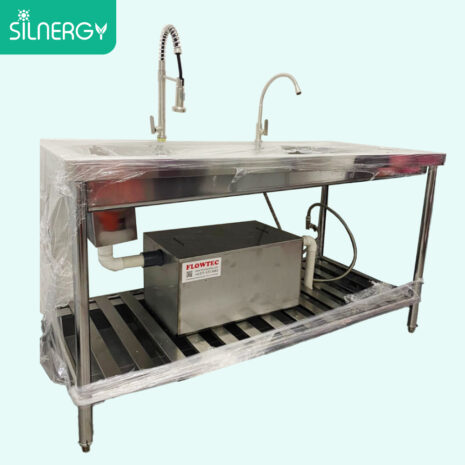
Under Sink Grease Traps (Custom Built)
Learn more
Customized solutions to prevent grease build-up in kitchen pipes, ensuring smooth operations.
Tackle grease and maintain a clean kitchen effortlessly with our Custom Built Under Sink Grease Traps.
These tailor-made solutions are crafted to fit seamlessly beneath your sinks, efficiently capturing fats, oils, and grease (FOG) before they reach your drainage system.
Designed with your space in mind, our traps are constructed using durable materials, ensuring longevity and reliability.
Enjoy hassle-free maintenance, keeping your kitchen operations smooth while adhering to hygiene standards. Choose customization for a grease management solution that perfectly matches your kitchen’s needs.

Oil Separator / Interceptor (HGT-200-OS)
Learn more
Optimize oil-water separation with the HGT-200-OS Oil Separator, perfect for industrial settings.
Discover the power of effective hydrocarbon separation with our HHC Oil Separator.
Designed with a stable media-based separation system, this unit efficiently recovers liquid hydrocarbons from oily water streams. As water and oil flow through the laminar floor stream, our cutting-edge coalesce media fosters the separation, ensuring high efficiency and a compact footprint.
Benefit from hassle-free maintenance, no moving parts, and a design tailored for a range of applications:
- Refueling Aprons
- Petroleum Storage Installations
- Petrol Stations
- Car & Vehicle Workshops
- Car Wash / Engine Wash
- Heavy Vehicle & Light Vehicle Wash Bays
- Mechanical / Engineering Workshops
- Industrial Equipment Wash-down
- Contaminated Storm-Water Treatment
Experience optimal hydrocarbon management with the HHC Oil Separator. Get the job done efficiently, while minimizing maintenance and maximizing results.
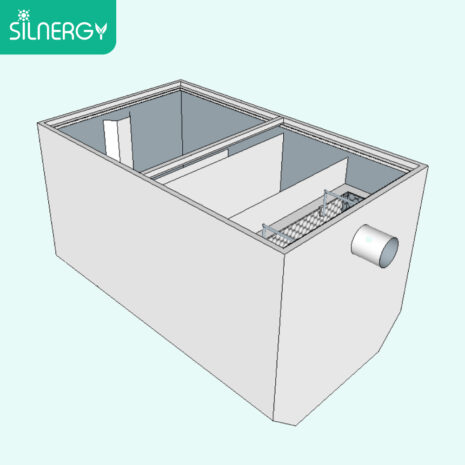
Oil Separator (HGT-100-OS)
Learn more
Manage oil-water mixtures effectively with our HGT-100-OS Oil Separator.
Discover the power of effective hydrocarbon separation with our HHC Oil Separator.
Designed with a stable media-based separation system, this unit efficiently recovers liquid hydrocarbons from oily water streams. As water and oil flow through the laminar floor stream, our cutting-edge coalesce media fosters the separation, ensuring high efficiency and a compact footprint.
Benefit from hassle-free maintenance, no moving parts, and a design tailored for a range of applications:
- Refueling Aprons
- Petroleum Storage Installations
- Petrol Stations
- Car & Vehicle Workshops
- Car Wash / Engine Wash
- Heavy Vehicle & Light Vehicle Wash Bays
- Mechanical / Engineering Workshops
- Industrial Equipment Wash-down
- Contaminated Storm-Water Treatment
Experience optimal hydrocarbon management with the HHC Oil Separator. Get the job done efficiently, while minimizing maintenance and maximizing results.
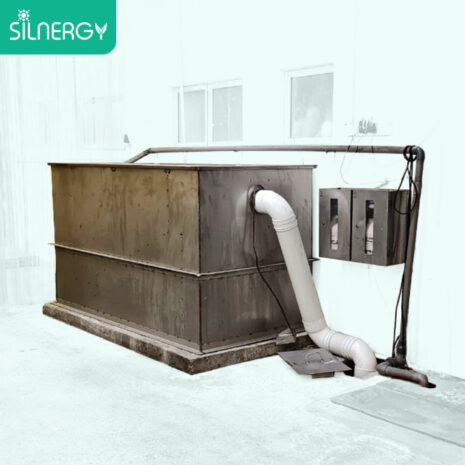
Above Ground Grease Interceptor for Food Processing Factory
Learn more
Ensure smooth workflow and compliance in food processing with our above-ground grease interceptor.
Elevate your food processing factory’s waste management with our Above Ground Grease Interceptor.
Engineered for heavy-duty operations, this interceptor is a powerful ally against FOG build-up. Designed to withstand the demands of large-scale facilities, it efficiently captures grease before it can cause clogs and disruptions.
With easy access for maintenance and a sturdy build, our Above Ground Grease Interceptor keeps your production lines flowing and your environmental impact minimized. Choose a reliable solution that aligns with your factory’s needs.

Reduction – Grease Trap Enzyme
Combat grease buildup and odors with our effective Reduction Grease Trap Enzyme
Learn more
Sustainability reporting is becoming increasingly important as companies are held to higher standards of accountability and transparency, and stakeholders (such as investorsm customers, employees, and regulators) demand more information about a company’s sustainability practices.
The reporting provides an opportunity for companies to demonstrate their commitment to sustainability and showcase their efforts to address social and environmental issues. For instance, since 2023, the European Union(EU) legislation on Corporate Sustainability Reporting Directive(CSRD) has taken effect, which demonstrates a need for businesses to keep up with effective sustainability reporting.
Sustainability reports typically include information on a company’s environmental impact, social impact, governance practices, and sustainability initiatives. The reports often contain data and metrics, such as carbon emissions, water usage, waste reduction, employee diversity, and community engagement. For example, sustainability metrics like the Carbon Disclosure Project(CDP) score assesses a company’s evironmental impact. Many organization use established frameworks, such as the Global Reporting Initiative(GRI) or the Sustainability Accounting Standards Board(SASB), to guide their sustainability reporting. These frameworks provide guidelines and standards for reporting on specific sustainability issues, which can help companies structure their reporting and provide consistency in reporting across industries.
Oxylate – Biodegradable Multi-Surface Cleaner
Biodegradable Multi-Surface Cleaner: Experience efficient and eco-friendly cleaning across surfaces with Oxylate.
Learn more
Sustainability reporting is becoming increasingly important as companies are held to higher standards of accountability and transparency, and stakeholders (such as investorsm customers, employees, and regulators) demand more information about a company’s sustainability practices.
The reporting provides an opportunity for companies to demonstrate their commitment to sustainability and showcase their efforts to address social and environmental issues. For instance, since 2023, the European Union(EU) legislation on Corporate Sustainability Reporting Directive(CSRD) has taken effect, which demonstrates a need for businesses to keep up with effective sustainability reporting.
Sustainability reports typically include information on a company’s environmental impact, social impact, governance practices, and sustainability initiatives. The reports often contain data and metrics, such as carbon emissions, water usage, waste reduction, employee diversity, and community engagement. For example, sustainability metrics like the Carbon Disclosure Project(CDP) score assesses a company’s evironmental impact. Many organization use established frameworks, such as the Global Reporting Initiative(GRI) or the Sustainability Accounting Standards Board(SASB), to guide their sustainability reporting. These frameworks provide guidelines and standards for reporting on specific sustainability issues, which can help companies structure their reporting and provide consistency in reporting across industries.